Every fire chief knows muscle memory. You don’t expect a firefighter to nail a mayday rescue
because they read the policy once at recruit school. You drill it until it’s automatic.
Crisis communications rarely gets that treatment. Departments spend serious hours on
operational plans and command structure, then treat communication like it will sort itself out
when the time comes. It won’t.
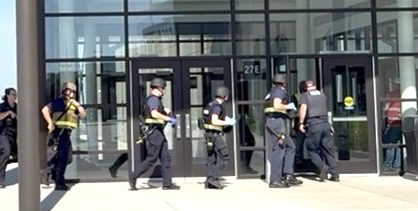
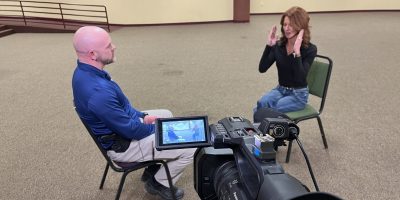
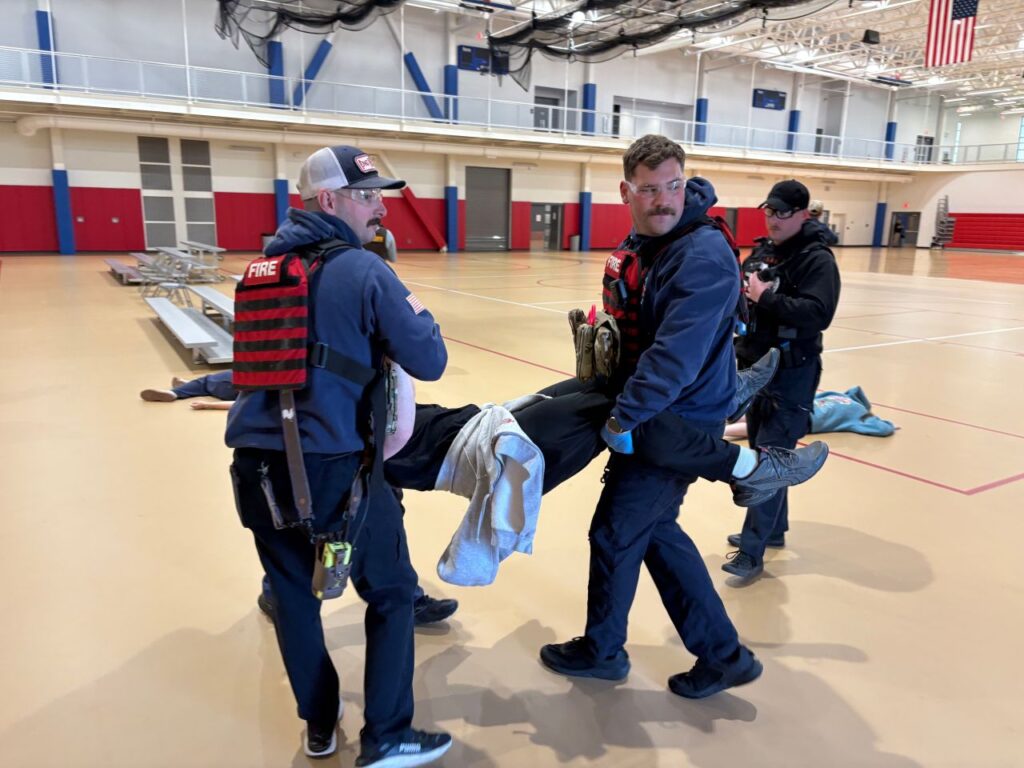
We saw that up close handling communications for the recent countywide armed intruder
exercise in Johnson County. Fire, EMS, law enforcement, schools and emergency management
spent months building a drill meant to feel real.
On paper, the plan was solid. Flow charts made sense in the conference room. Then the radios
lit up. Parents flooded the phone lines. Social media filled with half-truths. Reporters called.
Someone asked who was cleared to speak, and someone else assumed that had already been decided.
That’s the real test, and it’s one Uvalde failed in full view of the country. The after action report
on that response is hard reading, and not just for the tactical breakdowns. Communication
failures showed up early and kept showing up: conflicting information from different agencies, no
single source of truth, families getting news from bystanders and social media before they got it
from anyone in charge. Once that trust broke, it broke for the whole response, not just the parts
that went wrong.
That’s the cost of leaving communication untrained. Johnson County didn’t run perfectly either,
and that was the point of doing it as a drill instead of finding out live. It surfaced real gaps: who
owns reunification messaging, who handles media staging, who releases casualty numbers,
how fast agencies can agree on the facts before rumor gets there first.
Training with mutual aid partners matters here too. Most major incidents cross jurisdictions and
pull in dispatch, hospitals, schools, sometimes state or federal partners. A crisis is not the time
to find out one agency’s definition of “confirmed” doesn’t match another’s. Those relationships
need to exist before the call comes in.
The public doesn’t care which agency owns which piece of it. They want clarity and leaders who
look calm and aligned. Mixed messaging breeds confusion, confusion erodes trust, and once
trust erodes, everyone’s job on scene gets harder.
You already know how fast a bad rumor moves. Every bystander with a phone is a broadcaster
now, and they’ll post before your first briefing is even scheduled. That fight starts before your
first unit arrives.
This can’t sit with the PIO alone. One person can’t cover a large-scale incident by themselves. It
takes officers and command staff across the department who understand message discipline,
because people don’t rise to the occasion under pressure. They fall to the level of their training,
in communication the same as tactics or rescue.
Departments that communicate well in a crisis aren’t improvising. They practiced, and they built
trust with partner agencies long before the cameras showed up.
Communication is not separate from operations. It’s part of the bread and butter.