I spent nearly twenty years in a newsroom. I have stood in rain soaked parking lots waiting for a chief to step to the microphone. I have watched hospital executives brace for cameras after a patient safety event. I have seen mayors try to gather facts while phones would not stop ringing.
Here is what I know. The first statement carries weight far beyond the words on the page.
In the early minutes of a crisis, information is incomplete. Emotions are high. Reporters are calling. Social media is already moving. Leadership often feels the tension between waiting for certainty and saying something quickly. Waiting can feel responsible. In reality, silence invites others to define the moment for you.
The public does not expect you to have every answer. They expect you to show up.
When I was on the other side of the microphone, deadlines ruled everything. Newsrooms live by the clock. If we did not have an official statement, we went with what we had. That might include witnesses, partial records or outside experts. The story moves forward either way. Leaders who understand that rhythm communicate differently. They do not view the press conference as a performance. They treat it as part of the operation.
Crisis compresses time. Decisions that normally unfold over days are made in minutes. In those moments, leadership is judged on steadiness. Are you aligned internally. Do your department heads know what the message is. Is there one clear voice.
Strong first statements share a few common traits. They acknowledge what is known. They outline what is being done. They clarify what is still under review. They set expectations for the next update. There is no speculation. No defensiveness. No attempt to resolve the entire incident in one breath.
Over the years I have watched narratives harden quickly. Once a story locks in, correcting it takes time and credibility. Rebuilding trust costs far more than earning it at the outset. The leaders who fare best are rarely the most polished. They are the most prepared. They have practiced. They have pressure tested their teams. They understand how information flows inside their organization and how quickly it moves outside of it.
Communication is not a side function in high consequence environments. It affects responder safety, community behavior and operational clarity. When messaging is fragmented, confusion follows. When it is aligned, teams move with confidence.
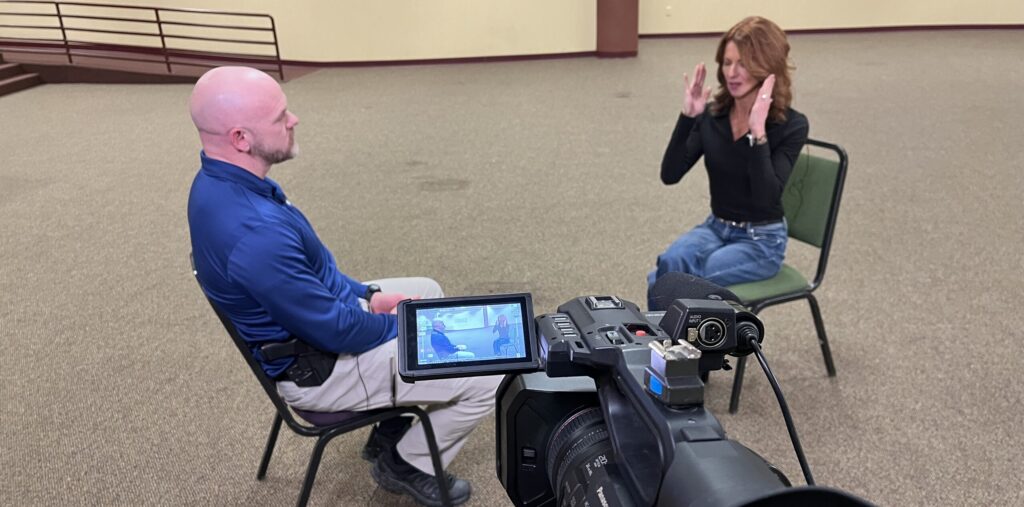
The work we do is built around that reality. We run scenarios that feel uncomfortable. We ask the hard questions in the training room so they do not catch leaders off guard on camera. We refine tone and presence so authority comes through without arrogance. Preparation builds steadiness. Steadiness builds trust.
I say this with humility because I have seen good leaders walk through difficult days. None of them were perfect. The strongest among them understood that clarity is a responsibility. They showed up early. They spoke plainly. They committed to updates.
The first statement may not end the story. It often determines how it begins.
If you want to control the moment, prepare long before it arrives.