I was nine years old when my life changed over a board game. I was the youngest, and my brother was three years older. He cheated in Monopoly, and I did what little sisters do. I ran to tell my dad. I cut through the kitchen at the exact moment my mother lifted an iron skillet filled with popping bacon grease. My head hit the bottom of the pan, she lost her grip, and the grease poured down the left side of my face, shoulder, and hand. Second and third degree burns. A long, uncertain recovery. My left eye sealed shut for months. The weight of whispered conversations and pain that did not wait its turn.
I carried those scars quietly. Makeup and what I still believe was a guardian angel’s grace helped them go mostly unnoticed, yet I felt like they entered every room before I did. Eventually, I made a choice. The scars would be part of me, not the definition of me. What was meant to wound would fuel me.
I became a broadcast journalist, on camera every day under lights that reveal everything. I stood where insecurity once whispered and stood anyway.
Years later, I covered a story at Camp Braveheart through the People’s Burn Foundation. I met children who looked like I once did. Strong, scarred, and trying to live forward. That assignment turned into ten years of volunteering. My own injury finally made sense because I could not walk beside those kids without having traveled my own hard road first. The pain that felt random became purposeful. That purpose is the same reason I now give so much of my time to Hoosier Burn Camp. Connection keeps me rooted in the work.
I have stood at chaotic scenes filled with smoke or grief. I have spoken to families minutes after the worst moment of their lives. I have watched firefighters, police officers, and medics push through the call, get the job done, then collapse in exhaustion once the adrenaline drained. Different uniforms, same truth. Struggle leaves a mark, but it also shapes you.
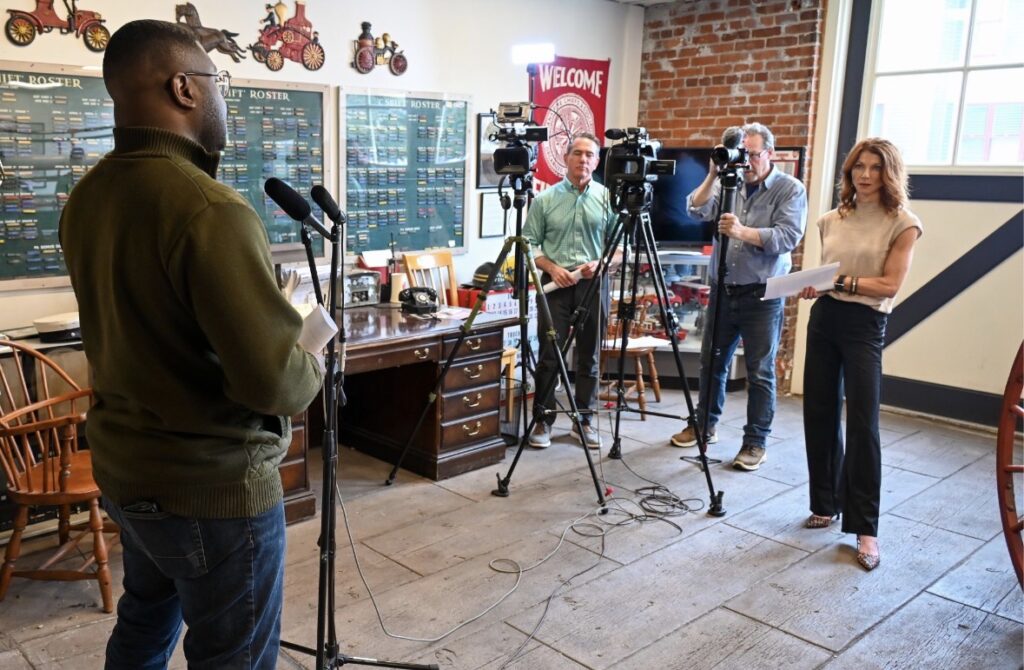
I did not learn crisis communications from a textbook. I learned it from newsrooms, from scenes, from hospital hallways, from the other side of the tape. I have seen a crisis unfold with surgical precision, guided by strong command and clear messaging. I have also watched situations unravel, not because of the incident itself, but because preparation was thin and communications was treated as a dispensable line item. Silence created a vacuum. Mixed messages eroded trust. The aftermath left serious damage.
Every incident has layers. Operational, investigative, human, and narrative. Most plans address the first two. Few understand the last two. Families rarely remember hose placement. They remember tone. They remember if someone looked them in the eye. They remember whether leadership brought clarity or left them to rumors.
My scars taught me that growth does not come from perfection. It comes from owning the crack and choosing to learn from it. The same is true in emergency response. When leaders communicate with honesty and humility, trust grows. When they retreat into silence, suspicion fills the space.
First responders train for the worst because they know what is at stake. Communications deserves that same level of respect. This is why I do the work. I am invested in making sure departments learn, grow, and thrive after an emergency, not spend the next weeks, months or even years stumbling to repair what preparation could have prevented.