In an era dominated by social media, influencers and AI-generated content, it’s easy to assume traditional media has lost its relevance.
It hasn’t.
In fact, for businesses trying to build credibility, shape perception and reach decision-makers, traditional media may be more important than ever.
Recently, I shared this perspective in the Indianapolis Business Journal. Here’s a deeper look at why it matters and what it means for your organization.
Credibility Still Lives in Newsrooms
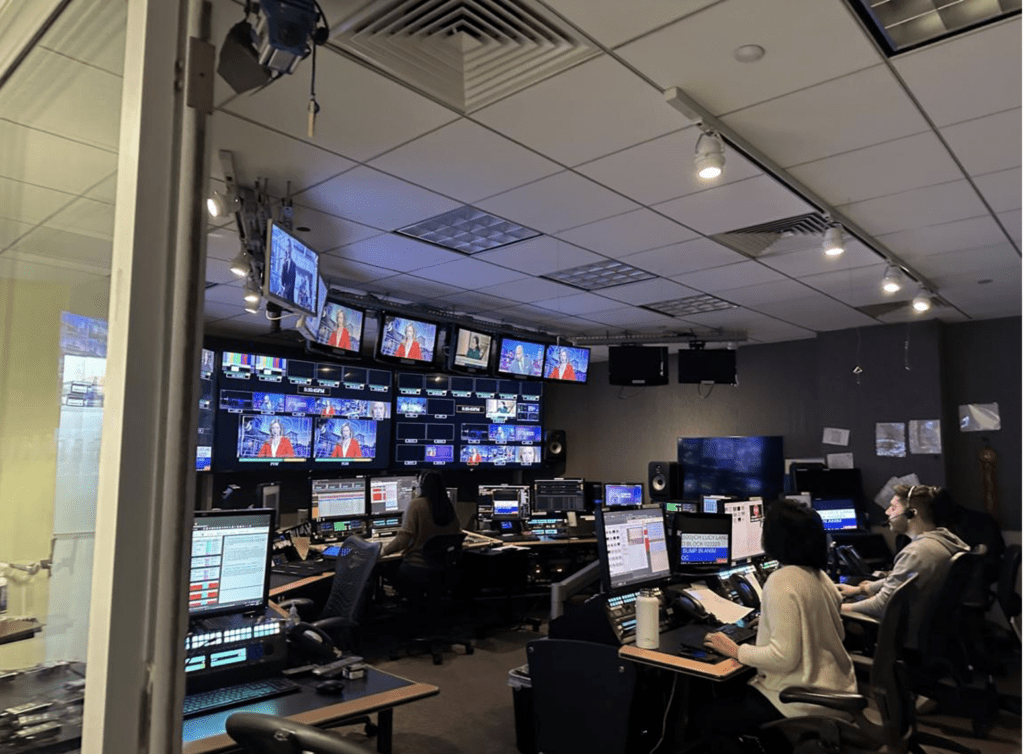
Anyone can post on social media. Anyone can launch a podcast. Anyone can publish content.
But not everyone gets covered by a credible news outlet.
That distinction matters.
When your organization is featured in a respected publication, it signals something different:
- You’ve been vetted
- Your story has relevance
- Your perspective carries weight
That kind of third-party validation is still one of the most powerful tools in communications.
Your Audience Is Still Paying Attention

Despite the noise, key audiences still rely on traditional media:
- Business leaders
- Investors
- Policymakers
- Industry decision-makers
These are not casual scrollers. They are intentional consumers of information.
If you want to influence how your company is perceived at the highest levels, you need to show up where those audiences are already paying attention.
Media Coverage Shapes the Narrative
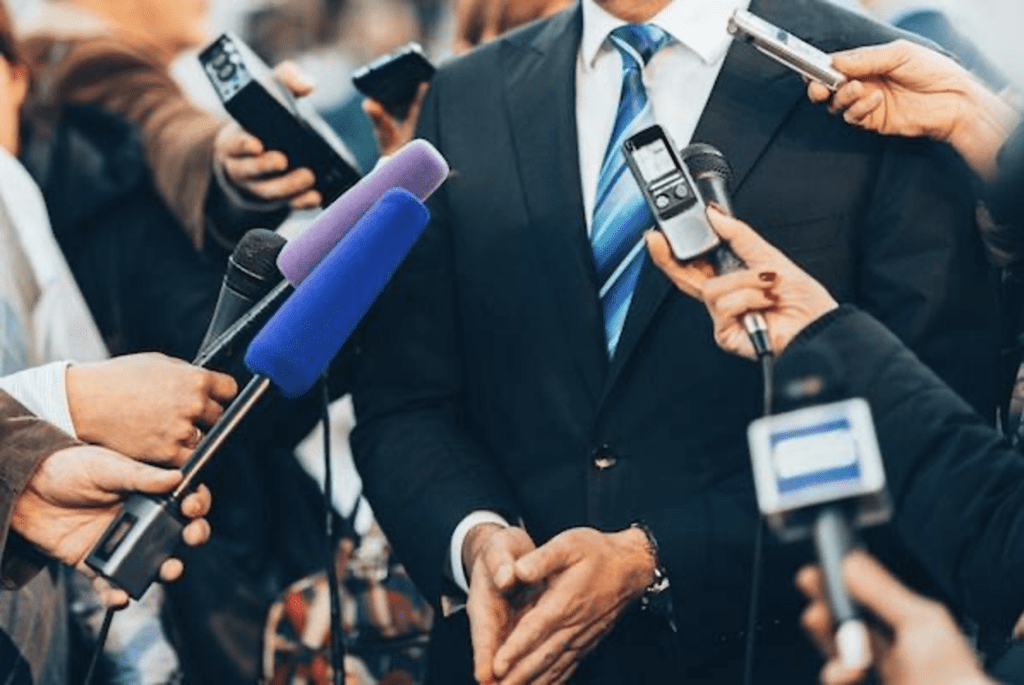
Whether you engage with the media or not, your story will be told.
The question is: will you help shape it?
Strong media engagement allows you to:
- Provide context before others define it
- Communicate clearly in moments of uncertainty
- Build consistency in how your organization is understood
This is especially critical during high-stakes moments, when clarity and credibility matter most.
Owned Media Can’t Replace Earned Media
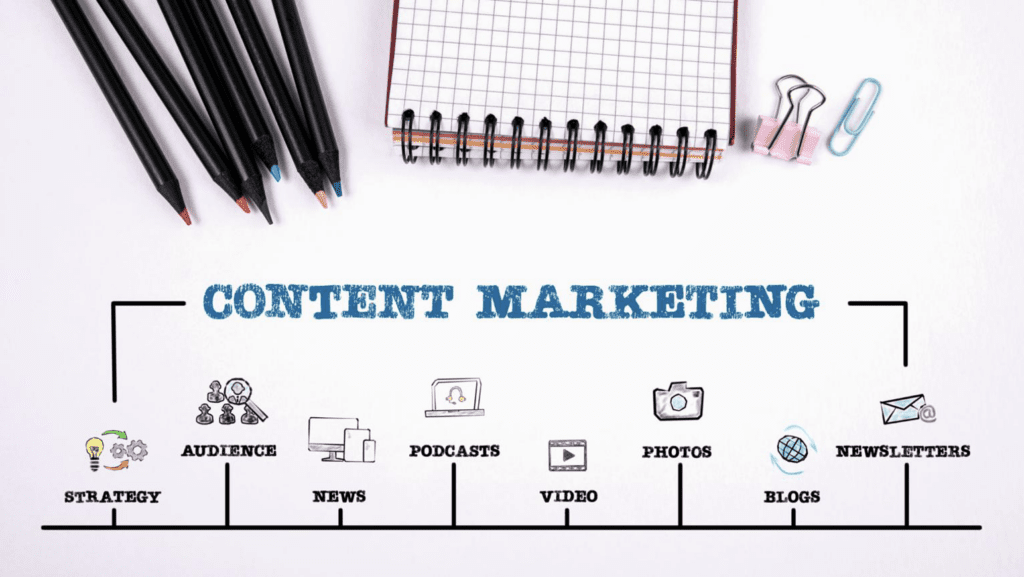
Your website, your LinkedIn page, your email newsletters—they all matter.
But they are not substitutes for earned media.
They serve different purposes:
- Owned media gives you control
- Earned media gives you credibility
The most effective communications strategies use both, intentionally and consistently.
The Real Opportunity for Businesses
Traditional media is not about chasing headlines. It’s about positioning.
Organizations that understand this use media to:
- Build long-term reputation
- Reinforce strategic priorities
- Establish leadership within their industry
They don’t treat media as a one-off tactic. They treat it as a core part of how they communicate.
Final Thought
And for businesses willing to engage with it strategically, it remains one of the most effective ways to build trust, influence perception and drive meaningful outcomes.
Traditional media isn’t going away. It’s evolving.